
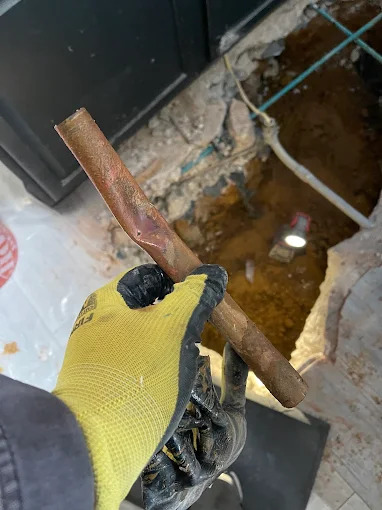
Leak Detection After Hours: Commercial Drain Repair Guide
If your business is dealing with slow drains, recurring clogs, or a suspected water leak after hours in the Dallas-Fort Worth area, this guide helps you identify common causes and when to call for professional plumbing leak detection.
After-Hours Leak & Drain Emergencies: What Changes
After hours, a plumbing leak or drain issue can escalate quickly because businesses keep running—lights, toilets, sinks, and HVAC may continue to use water even when staff are limited. The longer a water leak detection problem goes unresolved, the more likely it is to cause:
- Damage to floors, ceilings, and walls (including moisture that doesn’t show immediately)
- Recurring clogs from debris buildup, grease, or shifting pipe conditions
- Health and safety concerns when drains back up or wastewater is present
- Higher repair complexity if the issue involves underground leak detection or main drain damage
Common Commercial Signs of a Hidden Water Leak or Drain Problem
Some issues are obvious—water pooling, a toilet that won’t stop running, or a drain that won’t take water. Others are subtle and point to hidden water leak detection or a plumbing drain repair need.
Signs that suggest a water leak (not only a drain clog)
- Sudden water use spikes or unexplained utility increases
- Dampness near baseboards, under sinks, behind toilets, or around fixtures
- Musty odors, discoloration, or bubbling paint
- Water traveling “away” from the source (leaks often follow paths through building materials)
- Wet spots appearing without active use
Signs that suggest drain line issues
- Slow drains in multiple fixtures or in one area of the building
- Gurgling sounds when toilets or sinks drain
- Backups, standing water, or repeated commercial drain cleaning needs
- Clogs that return quickly after routine cleaning
- Toilet or sink drainage problems that feel “connected” to other units
After-Hours Triage Steps (Before the Plumber Arrives)
While you wait for service, focus on limiting damage and capturing useful details for the technician. These steps won’t replace professional leak detection, but they can reduce risk.
1) Reduce water flow and prevent further damage
- Stop or limit water use in the affected area (pause nonessential use of toilets/sinks)
- If safe and accessible, shut off the relevant fixture or line supply
- Move items off the floor where moisture is suspected
2) Document what you’re seeing
- Take photos of moisture, standing water, and affected fixtures
- Note when the issue started (after a delivery, after heavy rainfall, after cleaning, etc.)
- Record which fixtures drain poorly or back up
3) Avoid “trial-and-error” that can worsen the situation
- Avoid repeated plunging or unnecessary chemical drain treatments
- Don’t keep running fixtures that repeatedly back up
- Avoid digging or opening walls/floors unless instructed—especially for potential underground issues
Professional Leak Detection & Drain Repair Diagnostics (What to Expect)
Commercial plumbing repairs work best when the root cause is identified—not just the symptom. Here’s what diagnostic work often involves when you need plumbing leak detection or plumbing leak repair.
Leak-focused diagnostics
- Visual inspection of fixtures, supply lines, and accessible plumbing routes
- Assessment of signs of hidden water leak detection such as damp materials, discoloration, and persistent moisture
- Targeted testing to narrow down whether the issue is a water line vs. a drain line condition
- When relevant, evaluation for underground leak detection or underground drain repair risks
Drain-focused diagnostics
- Inspection of drainage performance across fixtures
- Identification of whether the problem is localized (one line) or systemic (main drain)
- Use of appropriate cleaning methods when buildup or obstruction is suspected
- Determination of whether the issue requires more than cleaning—such as drain pipe repair or main drain repair
Drain Line Repair vs. Water Line Leak Repair: Key Differences
When a commercial facility experiences water-related problems, it’s easy to assume “leak” means “drain.” In reality, drain pipe repair and water line leak repair require different approaches.
| Symptom | More likely cause | What to ask your technician |
|---|---|---|
| Slow draining in sinks/toilets; gurgling sounds | Drain line obstruction or restriction | Is this a clogged drain needing commercial drain cleaning, or a drain pipe repair issue? |
| Moisture near walls/ceilings without active backups | Supply leak or hidden leak path | Does this look like plumbing leak detection for a water leak, possibly behind finished surfaces? |
| Backups after normal use; wastewater odor | Drain line problem (local or main) | Is this impacting the main drain line and requiring main drain repair or drain line repair? |
| Water “appears” after the water system is idle | Hidden water leak | Could this be hidden water leak detection rather than a drain issue? |
Underground Leak Detection & Underground Drain Repair Risks
For commercial properties, leaks or drain failures can occur below grade—sometimes in areas that are difficult to inspect quickly. That’s where underground leak detection and underground drain repair become especially important.
Why underground issues are harder
- Moisture may show up far from the actual break or failure
- Access is limited and repairs can require more planning
- Ongoing flow can worsen damage over time
- Underground drain problems can contribute to repeated backups if the line is compromised
Where technicians focus during evaluation
- Determining whether the issue is a water line leak repair need or a drain line repair need
- Identifying the affected segment (when possible) to avoid unnecessary disruption
- Planning the repair approach based on what’s found
When to Call for Emergency Leak Repair
After-hours plumbing issues are common—but not all situations require the same urgency. Consider calling for emergency service from Mainline Plumbing when you notice any of the following:
- Active leaks causing pooling water or spreading moisture
- Backups that threaten customer or employee safety
- Multiple fixtures draining poorly at once
- Water appearing in areas that shouldn’t be getting moisture
- Suspected underground leak detection or underground drain repair based on location and symptoms
- Repeated drain clogs that return quickly
Need after-hours help in Dallas-Fort Worth?
For Leak Detection, Water Leak Detection, and commercial drain repair support, contact Mainline Plumbing now.
Relevant Mainline Plumbing Services
If you’re searching for Leak Detection Near Me or need Plumbing Leak Detection and Leak Repair Near Me, these services may match what your commercial property needs.
Leak detection and repair
Commercial drain repair & drain cleaning
Common commercial fixture repair needs
FAQ
What’s the difference between water leak detection and drain repair?
Water leak detection focuses on supply lines and hidden moisture paths. Drain repair focuses on wastewater flow, clogs, and drain pipe conditions. If symptoms overlap, professional diagnostics help confirm which system is actually failing.
How do I know if my business has an underground leak or an underground drain issue?
Look for moisture patterns that don’t match fixture use, recurring problems after cleaning, and drainage symptoms affecting multiple areas. Underground issues often require targeted evaluation rather than repeated “quick fixes.”
Should we keep using toilets and sinks while waiting for repairs?
If there are backups, persistent gurgling, or active pooling moisture, it’s best to limit usage in the affected area to reduce damage and safety risks. If you can safely shut off the relevant supply, do so while you wait for service.
What should I tell the technician when I call after hours?
Share when the problem started, which fixtures are affected, whether there are backups or visible moisture, and any recent events (heavy rainfall, construction, maintenance). Photos and notes help speed up professional leak detection.
Do you serve Dallas-Fort Worth for leak detection and commercial plumbing repair?
Yes—Mainline Plumbing serves the Dallas-Fort Worth area for plumbing diagnostics, leak detection services, and commercial plumbing repair needs.
Ready for leak detection or commercial drain repair?
Call Mainline Plumbing at (817) 305-1313 for help diagnosing and repairing your after-hours issue.